



Coffee: The Journey of a Bean from Mountain Highlands to the Cup
Coffee: The Journey of a Bean from Mountain Highlands to the Cup

Editorial Team
Coffee is one of the most consumed beverages in the world, and behind the cup we start our day with lies a story spanning centuries of cultivation, trade, and cultural transformations. From the mountains of Yemen and Ethiopia to the first European cafés, and from green beans with no aroma to a complex, aromatic drink, coffee remains a symbol of communication and hospitality across civilizations.
What Is Coffee?
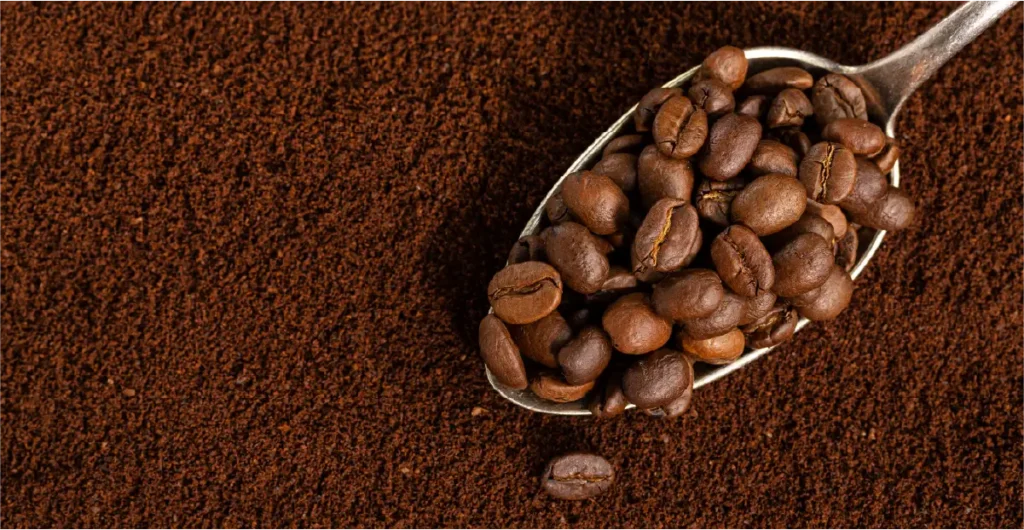
Coffee is the seed of an evergreen tree belonging to the Rubiaceae family, whose fruits resemble wild berries in appearance. After harvesting the fruit, the skin and pulp are removed, leaving what is known as coffee beans. Before roasting, these beans are green with a grassy scent, far removed from the rich aroma we associate with coffee. The coffee tree grows in tropical and subtropical regions and requires precise climatic conditions in terms of temperature, humidity, and altitude above sea level.
Main Types of Coffee
Two main types of coffee dominate global production: Arabica and Robusta. Arabica coffee accounts for about 60–70% of world production and is characterized by a light aromatic flavor and moderate acidity, with a caffeine content of about 1.5%. It is grown in mountain highlands, making it more difficult to cultivate and therefore more expensive. Robusta, on the other hand, represents about 30% of production and is characterized by a higher caffeine level (2.7%) and a more bitter, robust taste, making it suitable for making espresso and instant coffee.
In addition to these two types, there are less common varieties such as Liberica and Excelsa, but they are cultivated in limited quantities.
Original Home and Historical Spread
Historians differ on the original home of the coffee tree. Most believe that Abyssinia (Ethiopia) is the original home, where coffee shrubs grow wild, and from there they were transferred to Yemen in the early modern era. However, Yemen played a pivotal role in spreading coffee commercially; it is said that a mufti from Aden noticed that drinking coffee drove away drowsiness and helped in performing night prayers, so its use spread among the dervishes. The custom of drinking it then spread to Mecca around 1500 CE, and from there to Medina and other Arab cities, then to Cairo and Constantinople.
Coffee reached Europe through multiple routes. One account indicates that the first European acquaintance with coffee was through two Christian clergymen who visited Yemen on a religious mission in 1589 CE. Venice also played a role in introducing coffee due to its trade with Egypt and Turkey. As soon as Europeans learned of coffee, they flocked to it, and the first café opened in London in 1652 CE. By 1700 CE, there were three thousand cafés there.
The Production Process: From Bean to Cup
Coffee beans go through several stages before becoming the coffee we drink. The process begins with picking, then removing the skin and pulp to obtain the green seeds. After that comes the roasting stage, which is the most important process in forming coffee’s flavor. During roasting, between 800 and 1,000 different aromatic compounds develop in the beans, giving them the known character of coffee.
The roasting process involves four stages: drying, then chemical reactions that begin at about 160°C, then the “first crack” where the beans expand and aromatic oils are released, and finally the “second crack” for dark roasts. Roasting levels range from light, which preserves high acidity and fruity flavors, to dark, which is characterized by bitterness and a heavier body.
Coffee and Health: Between Benefits and Moderation
For decades, questions have been raised about coffee’s effect on health. However, modern scientific evidence indicates that moderate coffee consumption can be part of a healthy diet. Studies indicate that drinking coffee is associated with a reduced risk of heart disease, diabetes, Parkinson’s disease, and some types of cancer. Coffee also contains more than 1,000 biologically active compounds, including anti-inflammatory and antioxidant substances that help slow cell damage.
According to American dietary guidelines, consuming three to five cups (up to 400 milligrams of caffeine) per day can be part of a healthy diet. However, pregnant women are advised to be cautious and reduce caffeine to less than 300 milligrams per day.
Future Challenges
Coffee production faces growing challenges, most notably climate change, which threatens its cultivation and quality. Biotechnology represents a strategic tool to address these challenges by developing crops more capable of adapting to harsh environmental conditions such as drought and high temperatures. Researchers are also turning to techniques such as tissue culture and cryopreservation to ensure the genetic diversity of Arabica coffee for future generations.
In conclusion, coffee remains more than just a commercial crop; it is a cultural bridge between peoples, and a human story that began in mountain highlands centuries ago, and is still being told in every cup of coffee we enjoy today.